

Preparing for emergencies on a budget
Emergency preparedness does not need to cost a fortune. With sensible planning, everyday store cupboard staples, and a bit of household ingenuity, you can build resilience for your household without overspending, and in some cases depending o your situation, food for free.

Start with affordable staple carbohydrates
When you have a tight budget prioritise inexpensive carbohydrates that deliver lasting energy. Focus on dry rice, pasta, rolled oats, and potatoes. Choosing supermarket own-brand labels allows you to stretch every pound further, establishing a solid food foundation without buying costly specialist survival rations.

Reliable proteins without the high cost
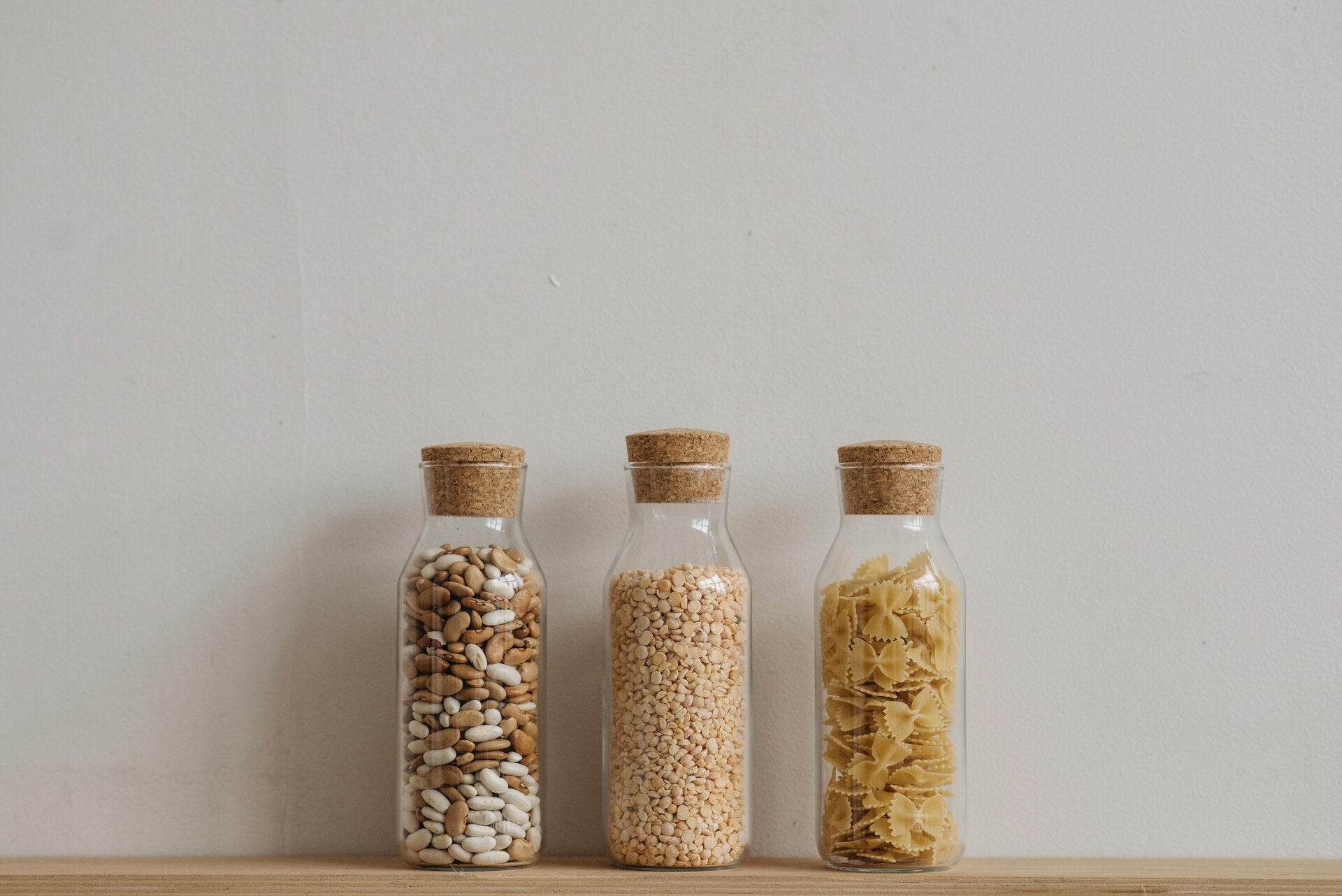
Skip expensive meats and opt for budget-friendly protein alternatives. Stocking up on eggs, tinned baked beans, lentils, chickpeas, and dried pulses provides vital nutrition at a fraction of the cost. These items store easily, integrate seamlessly into everyday cooking, and ensure your emergency reserves stay nutritious and varied.
Smart storage and avoiding costly mistakes
The biggest waste in emergency prepping is purchasing unfamiliar rations that your family will never eat. Buy familiar foods that fit your daily routine and learn how to pack and seal them properly for long-term shelf life. Protecting your supplies from air, moisture, and pests ensures your hard-earned budget never goes to waste.
How to Prepare and Plan for Emergencies on a basic budget
In today’s political and financial climate, we are all on a tight reign with our budgeting, be it with household utilities, food and heating.
For those fortunate enough to be able to go out and stock up with food, clothing, heating supplies etc, with not much thought, or insight, can be frustrating and irritating for the many on a tight reign.
Preparing for emergencies and planning for your family in case of any potential disaster, whether it be natural weather events, or man-made events, is more of a planning exercise in forethought and prudence. In other words, it is not just the financial outlay, but how you can purchase for the minimum amount of outlay, for the maximum practical eventual use.
An excellent word to use in this situation is Circumspection: Cautious consideration of all potential consequences before acting!
What do you need, why you need it and how can you use it with minimum outlay and minimum processing.
So where do we start?
Decide on what you actually need for you and your family, how many are you in the household?
What sort of budget can you outlay, or are you already strapped to the full?
What sort of house or apartment do you live in and how much storage space do you have? Do you have a garden, a basement, or a balcony if you live in an apartment etc.
Can you use wall space or under stairs areas etc.
Decide on the daily basic needs you and your family require, how much water do you use, how much food do you consume? From this approach you can work out how much you need to store and where.
The age-old standard is to prepare for 72 hours (3 days) as the media keeps informing everyone. While this is a good basic start, realistically you should ai for at least 7 days, and ideally 10 days. nI the event of a disaster or emergency, the authorities will be busy and may take up to six or seven days before organising any outreach assistance.
The prices of all food products are rising sharply in today’s modern world, more so than inflation, and it is a battle to keep o top of the daily household budget as it is. So, when you get guidance to stock food etc for so many days, it can be frustrating while you have so many other bills to pay.
So how can we approach this? The following ideas and tips are mainly common sense and ones which you probably use daily without thinking too much about. But let’s put this in some kind of methodical approach, so you can actually see how you can plan and stock your pantry for the minimum layout and in some cases for free!
Minimum budget layout option.
First question to ask is where do you normally purchase your weekly food shop?
Next approach is can I get it cheaper anywhere else? Example, many stores now, like Tesco and Sainsbury’s are offering price comparisons to other stores such as Aldi and Lidl. Next time you go to the stores shop around, check the prices. For instance, often Lidl have cheaper tins of exactly the same product as Aldi, and vice versa!
Take the opportunity on occasions of the BOGOF sales. Buy one get one free etc
Check out stores such as ‘Farm Foods’, BM, Home Bargains etc, and for any kind of disposable or even permanent kit the ‘Pound shop’. You can often get a few bargains at these stores
Choose the store’s own brands, always cheaper. Look at the small price-per-ounce or price-per-kilogram labels on the shelf to see which brand or size is actually cheaper.
Choose staple foods - Carbohydrates: dry rice, pasta, oats, and potatoes, which provide cheap and filling energy. Learn how to prepare and pack your foods for longer storage time.
Protein: Swap expensive meats for eggs, tinned baked beans, lentils, chickpeas, and dried or tinned beans.
Produce: Buy frozen or tinned vegetables and fruits (in water or natural juice without extra salt or sugar) as well as root vegetables like carrots and onions.
Batch Cook: Make large pots of soups, stews, or curries and portion them out for the freezer.
Cut Down on Meat: Use meat as a flavour booster in a dish rather than the main bulk of the plate, or have a couple of meat-free days each week.
Repurpose Leftovers: Turn last night’s dinner into lunch or fold leftover vegetables and proteins into an omelette, stir-fry, or soups. There are many resources for recipes for left over foods available online, check them out.
Learn the Date Labels: "Best Before" dates are about quality, meaning food is usually safe to eat past that date. Only strictly respect "Use By" safety.
Look for local community fridge networks where surplus supermarket food is shared for free or minimal cost, or use apps like Too Good To Go, to grab heavily discounted surplus meals from local cafes and bakeries.
Next to nothing or free food.
If you are really strapped and facing severe hardships, find out where your local community food banks are situated, and your local council may also offer help.
Emergency Food Banks (Referral Required via the Citizens Advice Bureau)
Most formal food banks provide a minimum of three days' worth of nutritionally balanced, non-perishable food parcels, along with essential toiletries.
The Help through Hardship Helpline: Call 0808 208 2138 (Freephone, Monday to Friday, 9am–5pm) you can speak to an adviser who will help you.
https://www.trussell.org.uk/help-and-advice/help-through-hardship-helpline
They can often offer emergency food banks.
Community Meals and Food Shares (No Referral Needed)
If you cannot get a referral or need hot food immediately, these options do not require a voucher:
FoodCycle: This organization serves free, hot, three-course meals to anyone who needs them, completely voucher-free. Find a local meal service near you on the FoodCycle Locations Page.
https://foodcycle.org.uk/free-food-locations/
Soup Kitchens and Day Centres: Many local churches, Salvation Army centres, and homeless shelters provide daily hot meals or soup kitchens for people facing extreme hardship.
Community Food Shares and Pantries: Unlike traditional food banks, local food shares distribute surplus food from supermarkets to prevent waste. They are either free or ask for a very small voluntary contribution.
Food Waste Apps.
If you have access to a smartphone, you can find free food being given away by neighbours and local businesses:
Olio: A free app where local individuals and businesses list food that is nearing its expiration date for anyone to collect for free. https://olioapp.com/en/
If you have a disability, you can access free food via scope
https://www.scope.org.uk/advice-and-support/food-no-money-food-banks
How to get free food from the supermarket
If you’re pregnant or caring for at least one child under 4, you might be able to join the Healthy Start scheme This is a card loaded with credit that can be used in supermarkets towards formula, milk or healthy food like fruit and veg. The card is topped up every four weeks while you’re eligible.
https://www.healthystart.nhs.uk/
Supermarket Café Free Food Initiatives.
Morrisons: Periodically partners with brands to offer completely free meals at their in-store cafés with no purchase necessary. For example, they run holiday initiatives like the "Kellogg's Breakfast" scheme etc.
Apps for Free Surplus Store Food
Major supermarkets like Tesco, Aldi, and Sainsbury's partner with redistribution apps to ensure their end-of-day surplus food (including fresh soups, bakery items, and vegetables) goes to the community rather than the bin.
The Coop run the Caboodle programme, to prevent good food from going to waste, their stores donate surplus to local community groups at the end of each day
https://www.coop.co.uk/environment/food-redistribution-caboodle
As you can see from the above resources there are a variety of options to access food depending on your circumstances. Contacting a local community hub is also useful to access free and the sharing of food.
No matter what your financial or domestic circumstances are, it boils down to practical planning, know your needs, what you can or cannot do without, assess your priorities for you and the family. Extend your communal neighbour system, find out what others are doing in a similar situation, you may be able to share in the accessing of food supplies.
Finally, Fare share, At Felix (formerly FareShare and The Felix Project), they save good food from going to waste. They redistribute surplus food from some of the UK’s top food companies to nearly 8,000 charities and community groups.
They offer two options for getting food – a paid for service with a Community Food Membership or the opportunity to collect free surplus food from local supermarkets and restaurants through Felix Go.
https://fareshare.org.uk/getting-food/