

Preparing for a pandemic and biowarfare
Understanding how pandemics emerge, spread, and escalate into biological threats is the first step in protecting your household. Whether you are a complete beginner seeking straightforward home containment or an experienced prepper establishing long-term survival systems, this visual guide outlines key protocols, essential gear, and practical steps to navigate biological hazards with confidence.
Read full article below

Understanding biological threats and transmission
Biological threats, whether naturally occurring pandemics or intentional biowarfare, rely on rapid pathogen transmission through aerosols, contact, or contaminated resources. Recognizing early warning signs and comprehending vectors of infection empowers you to react before supply chains collapse or local lockdowns occur. Maintaining calm vigilance and situational awareness forms the backbone of biological resilience.
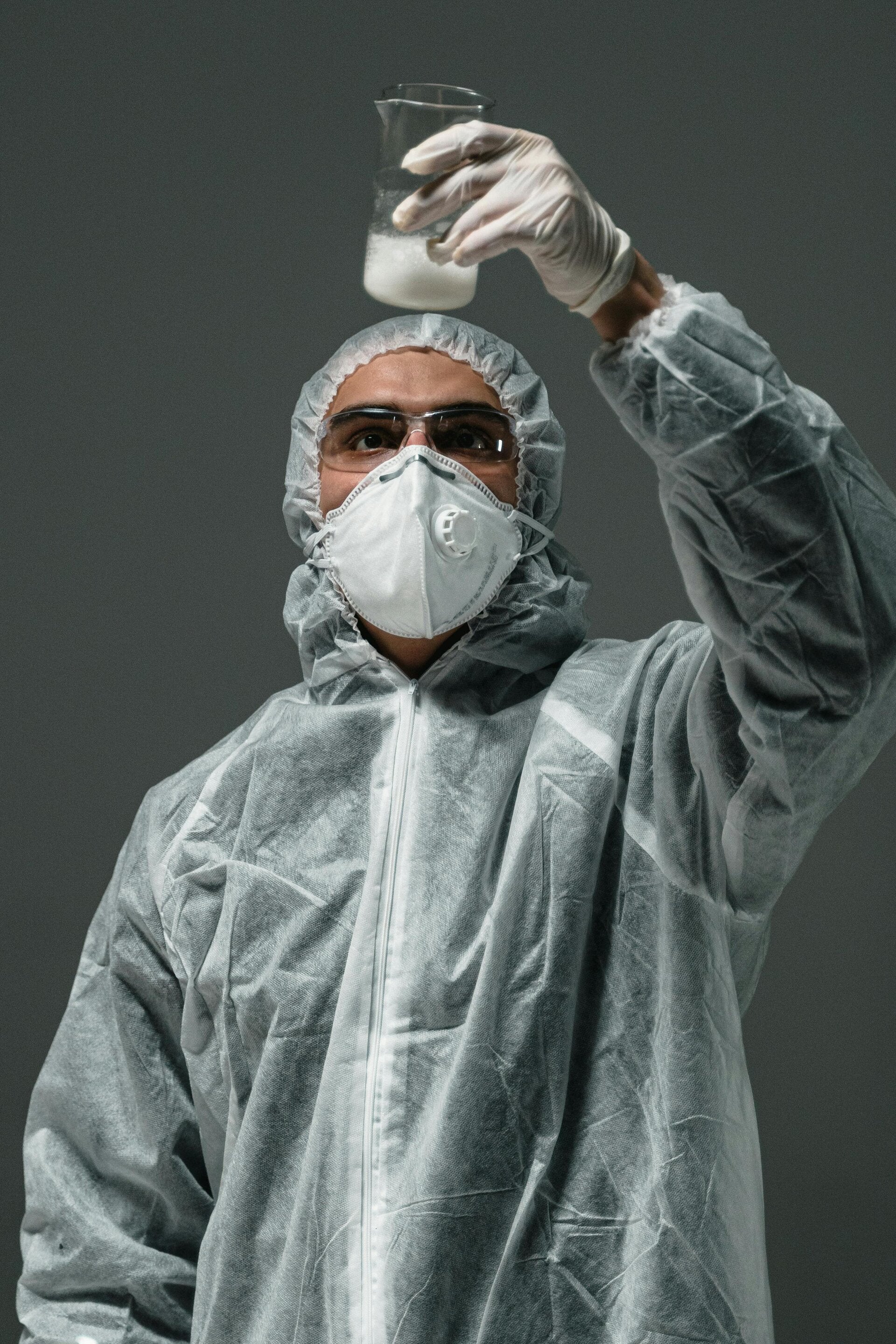
Essential kits and respiratory defence
Protection against biological agents requires robust barriers and comprehensive supplies. Prioritise certified respiratory protection, including tight-fitting N95, FFP3, or CBRN full-face respirators, alongside eye shields and disposable nitrile gloves. Pair these defensive tools with a dedicated medical first aid kit, shelf-stable food rations, clean drinking water, and effective sanitising solutions for thorough decontamination.

Actionable checklists and reference networks
Preparedness requires deliberate action before a crisis unfolds. We recommend drafting a personalised quarantine checklist tailored to your household's requirements, auditing your medical stockpiles routinely, and studying official public health guidelines. Explore our library of survival guides and cross-reference trusted biosecurity resources to keep your household safe and fully equipped.
Comprehensive home quarantine and isolation protocols
How to prepare for a National/Global pandemic And Biowarfare/Bioterrorism
Caveat. While I have been trained in basic medical emergencies and first aid, and have experience in veterinary work, I am not a qualified medical profession. The following advice is merely a round up from government and independent medical sources, with links to the relevant organisations.
In combination with this article, I suggest you review the relevant and concise links listed at the end of this section/
‘A pandemic is the worldwide spread of a new disease.
An influenza pandemic occurs when a new influenza virus emerges and spreads around the world, and most people do not have immunity. Viruses that have caused past pandemics typically originated from animal influenza viruses.’ World Health 0rganization.
Currently, the Bubonic plague and Ebola are still claiming lives, and as I write this article (October 2026) there are reports of a Russian lab worker who died of suspected plague and 200 enter medical observation. In addition, currently (October 2026) there is a new variant strain of COVID, XFG, or ‘American Covid, affecting thousands across the UK. Also known as ‘Stratus’, symptoms include, hoarseness, raspy voice (unique from COVID) dry cough, sore throat, fever, muscle aches etc. Stratus now accounts for over 50% of all positive sequence Covid samples in UK.
It is therefore, an expectation in today’s rapidly moving society and global travel, a medical incident could occur at any time at any place and spread rapidly. Whether by natural means or as a form of foreign intervention (Bio warfare).
Keeping this in mind, it would be useful to know how pandemics spread, by what means, and how to prepare for such an event.
Much of the basic preparedness planning for such an event are similar to any other emergency disaster, which you can find on this site. However, with pandemics naturally, there are additional precautions and specific preparedness guidelines.
Ready Gov guidelines. A basic general overview of what we were told during COVID 19
A new virus can emerge from anywhere and quickly spread around the world. It is hard to predict when or where the next new pandemic will emerge.
If a Pandemic is declared:
Wash your hands often with soap and water for at least 20 seconds and try not to touch your eyes, nose or mouth.
Keep a distance of at least six feet between yourself and people who are not part of your household.
Cover your mouth and nose with a mask when in public.
Clean and disinfect high-touch objects and surfaces.
Stay at home as much as possible to prevent the spread of disease.
Learn how diseases spread to help protect yourself and others. Viruses can be spread from person to person, from a non-living object to a person and by people who are infected but don’t have any symptoms.
Prepare for the possibility of schools, workplaces and community centers being closed. Investigate and prepare for virtual coordination for school, work (telework) and social activities.
Gather supplies in case you need to stay home for several days or weeks.
Supplies may include cleaning supplies, non-perishable foods, prescriptions and bottled water. Buy supplies slowly to ensure that everyone has the opportunity to buy what they need.
Create an emergency plan so that you and your family know what to do and what you will need in case an outbreak happens. Consider how a pandemic may affect your plans for other emergencies.
Preparing for a possible Bio warfare event.
In today’s volatile and fragile world, with many major global conflicts ongoing, as the adage goes, ‘Whatever can happen at any time can happen today.’
Based on the quote by Seneca ‘On the Shortness of Life: Life Is Long if You Know How to Use It’
(Lucius Annaeus Seneca, or Seneca the Younger ca. 4 BC – AD 65 AD was a Roman Stoic philosopher
World Health .Organization.
'Biological weapons form a subset of a larger class of weapons sometimes referred to as unconventional weapons or weapons of mass destruction, which also includes chemical, nuclear and radiological weapons. The use of biological agents is a serious concern, and the risk of using these agents in a terrorist attack is thought to be increasing.'
Again, we are back to the basics of knowing how to prepare for any emergency.
In this scenario, it is vital to keep abreast of news items (check through the various news media outlets do not rely on just one) and keep track of any growing conflicts, such as US and Iran, and Russia and Ukraine for example.
"Mighty oaks from little acorns grow"!!
Preparedness.
You will find all the necessary general preparedness planning on our site, but as an overview for preparing for such a bio warfare incident, follow the below guidelines.
Build an Emergency Supply Kit
A standard disaster kit will sustain you if you need to shelter in place to avoid exposure. Ensure your kit contains:
- Water & Food: At least a 7 day supply ( 5 litres of water per person per day) and non-perishable, easy-to-prepare food.
- First Aid & Medication: A complete first aid kit, plus a minimum 2-week supply of critical prescription medications.
-
- Communication Tools: A battery-powered or hand-crank radio (to receive official emergency broadcasts if the internet or power goes out), extra batteries, and cell phone chargers, and power banks.
- Respiratory Protection: High-quality face masks, such as N95 or HEPA-rated respirators, which can help filter out airborne particles.
Sanitation Supplies: Soap, hand sanitizer, bleach, garbage bags, and wet wipes.
Create a Communication & Shelter Plan
- Establish a Communication Plan: Decide how your family will contact one another and where you will meet if separated. Choose an out-of-town contact person everyone can call.
- Identify a Shelter Room: Choose an interior room in your home (preferably without windows) where you can shelter in place if authorities advise sealing your home from outdoor air.
- Prep Sealing Materials: Keep plastic sheeting and duct tape on hand to seal doors, windows, and vents if ordered to do so.
Action Steps During a Suspected Event
If official alerts indicate a biological attack has occurred:
- Stay Informed: Immediately turn on your radio or check official government health and emergency management websites. Follow instructions precisely, especially regarding evacuation, sheltering, or medical treatments.
- Go Indoors Immediately: If you are outside, move indoors to a building with a closed ventilation system.
- Shut Off Ventilation: If advised to shelter in place, turn off all air conditioners, heaters, and ventilation fans to prevent outside air from circulating inward.
- Practice Strict Hygiene: Wash your hands with soap and water frequently. Do not share food, drinks, or personal items.
What to Do If Exposed
- Decontaminate Quickly: If you believe you have come into physical contact with a biological agent, remove your clothing immediately. Bag and seal the clothes. Shower thoroughly with plenty of soap and water. Do not scrub your skin too harshly, as this can create abrasions.
- Seek Medical Guidance: Do not pre-emptively take antibiotics or random medications without explicit instructions from public health officials. Different biological agents require entirely different treatments (e.g., antibiotics work for anthrax, but not for viral smallpox).
- Monitor Symptoms: Watch for unusual symptoms in yourself and family members, and report them to medical professionals immediately.
-
Please read through the relevant links I have collated, which will give you a better understanding of not only the how and why pandemics and bio warfare are created, but offer important preparedness advice and tips.
Every household and individual has varying circumstances and needs, the important aspect here is to adapt and manage your own preparedness plan to suit your environment.
As always; B safe B wise Be prepared Survive!